
Origin and The Concept of 'Ugda' (Awake) Maruti
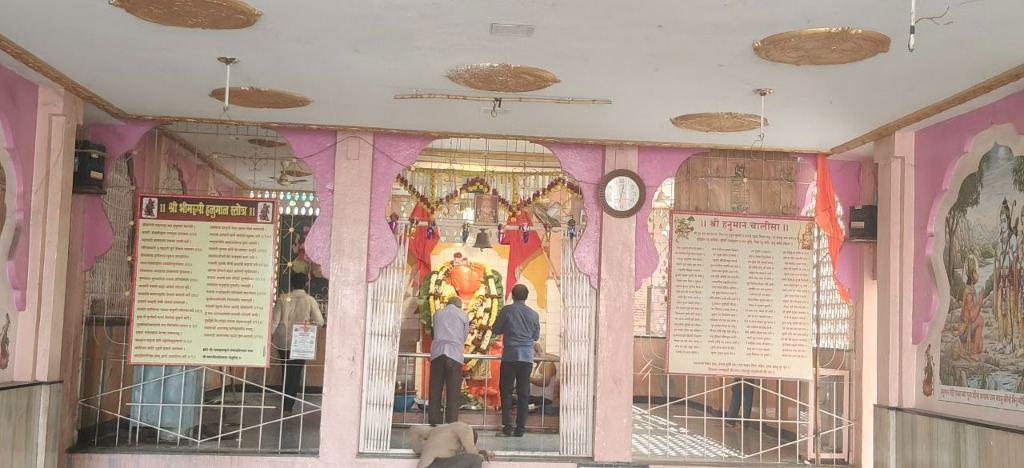
Across Maharashtra's cultural history, the installation of Maruti (Lord Hanuman) shrines has played a profound role in community strength and character building, heavily popularized by Samarth Ramdas Swami during Chhatrapati Shivaji Maharaj's era. The deity in Phaltan is affectionately known as 'Ugda Maruti' because originally the consecrated stone idol stood open to the skies, watching over the city gates and markets. In later years, a protective and aesthetic sabhamandap was constructed with beautiful arched pillars and painted ceilings, while preserving the consecrated sanctity of the ancient Swayambhu murti.
The Sanctum, Idols and Stotra Chanting
As you step inside the temple, the vibrant spiritual aura is immediately palpable. The central deity of Lord Hanuman is generously anointed with sacred saffron-orange sindoor (shendur), adorned with fresh marigold flower garlands, sacred Rui (Calotropis) leaves, and silver ornaments. Prominently mounted on the sanctum walls on either side are large, beautifully printed boards of Samarth Ramdas Swami's revered 'Shri Bhimarupi Hanuman Stotra' and the 'Shri Hanuman Chalisa', allowing visiting devotees to stand together and chant the verses with deep devotion and rhythmic resonance.
Saturday and Tuesday: The Day of Infinite Devotion
Saturdays and Tuesdays witness endless queues of faithful devotees from all corners of Phaltan and neighboring villages. Devotees bring traditional offerings including pure sesame or mustard oil (Tel), strings of Rui flowers (रुईच्या पाना-फुलांचा हार), betel leaves (Vidya chi paane), and coconut. It is strongly believed in local lore that offering prayer at Ugda Maruti removes planetary obstacles (Shani dosha), alleviates mental stress, and instills physical vitality and courage in facing life's hardships.
Hanuman Jayanti and Annual Celebrations
The grandest day in the temple calendar is Chaitra Purnima (Hanuman Jayanti). Commencing at the crack of dawn at sunrise—the traditional moment of Lord Hanuman's birth—the priests perform special Panchamrit Abhishek accompanied by the blowing of conches, beating of nagadas, and showering of flowers. Sweets, Sunthvada (dry ginger and jaggery prasad), and Mahaprasad are distributed among thousands of attendees throughout the day.
How to Visit Ugda Maruti Mandir
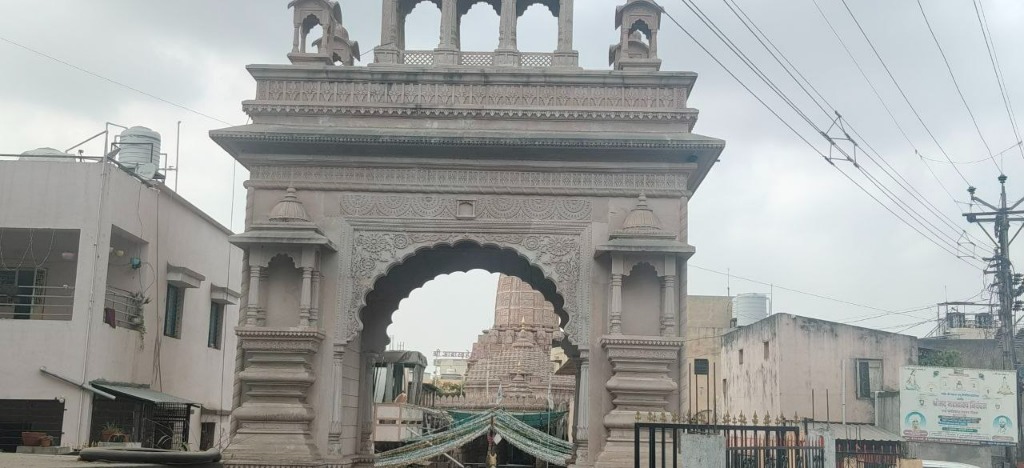
The temple is centrally situated within walking distance of Phaltan's primary commercial bazaars and the historic Mudhoji Rajwada. You can easily reach it on foot or via a 5-minute auto-rickshaw ride from the Phaltan Central ST Bus Depot. The surrounding streets are clean and vibrant, offering plenty of stalls selling fresh puja flowers, coconuts, and traditional sweets.
स्थानिक सूचना व टीप्स • Insider Traveler Advice
- •If you wish to perform Tel-abhishek (oil offering) without rush, visit early in the morning before 8:00 AM on Saturdays.
- •Join the evening Sandhya Aarti at 7:30 PM to experience the energetic collective chanting of the Bhimarupi Stotra by local youngsters and elders.
- •The temple is very peaceful during weekday afternoons, making it ideal for quiet prayer and meditation.
Frequently Asked Questions (FAQs)
Why is the temple called 'Ugda Maruti'?
Historically, the consecrated deity stood open to the skies (Ugda) guarding the town. It also signifies a 'Jagrut' (spiritually awake and responsive) deity who grants devotees' heartfelt prayers.
What are the special days to visit Ugda Maruti Mandir?
Saturdays and Tuesdays are the most auspicious days for darshan and oil offerings, with the temple remaining bustling with devotees from dawn till late evening.
Is there any dress code or entry charge?
Darshan is completely free for everyone. Visitors are requested to dress respectfully in traditional or modest attire.